

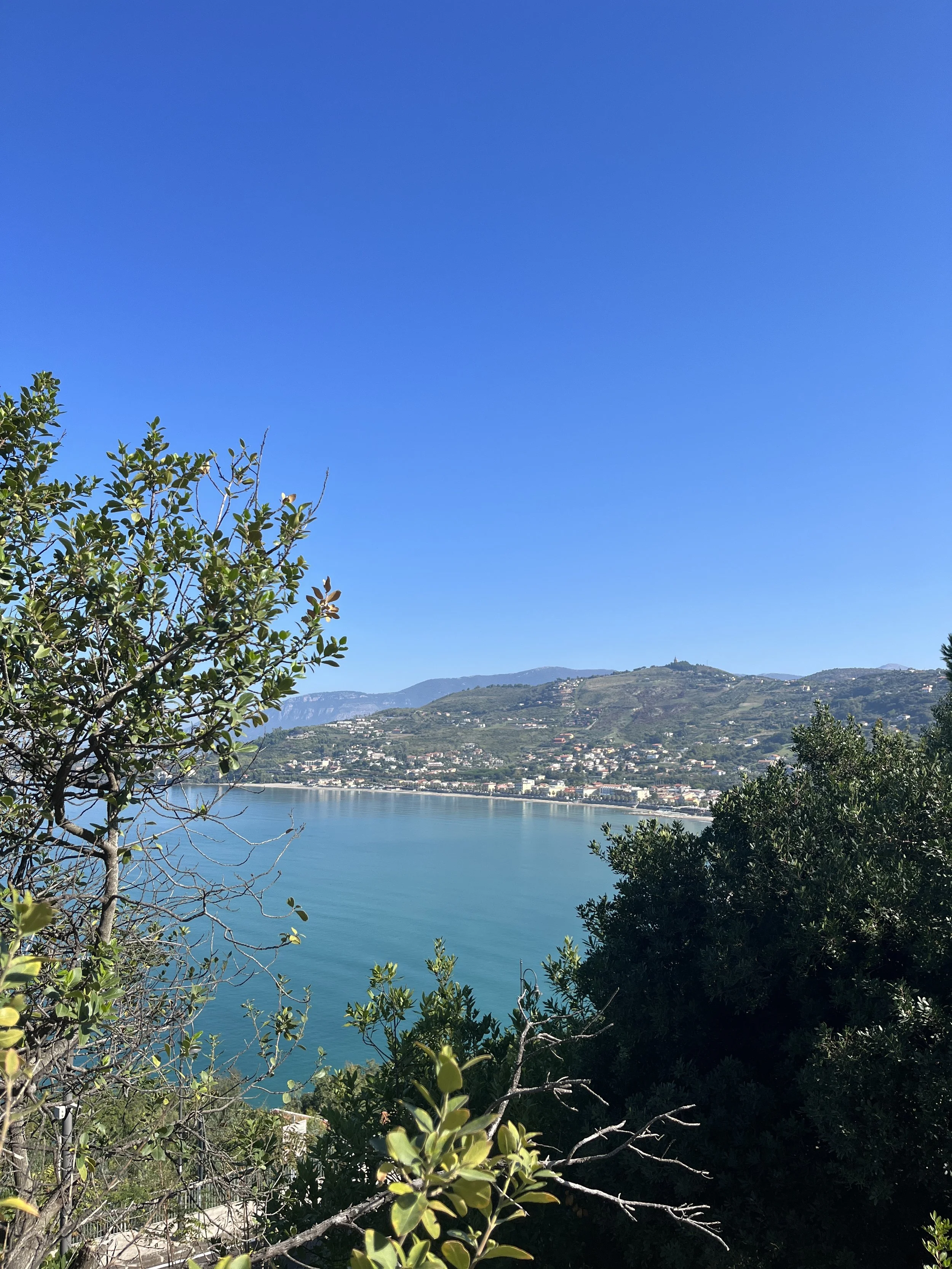
Greek temples, buffalo mozzarella, the birthplace of the Mediterranean diet, and the region that grows Italy's arugula. Welcome to the Cilento Coast, where every bottle of See the Elephant begins.
Most travelers heading south from Naples stop at Amalfi. Keep driving another hour and the crowds thin, the coastline goes wild, and the hills fill with olive groves and old stone villages. This is Cilento: the quieter, greener, more agricultural corner of Campania, and the place we call home.
See the Elephant Amaro di Rucola is made in Agropoli, on the wild and wonderful Cilento Coast. Our recipe is built from what grows around us, with arugula leading and a small set of herbs and botanicals gathered within about 30 km of the distillery. To understand the bottle, you have to understand the land. So here's our guide to the region, the way we'd show it to a friend.
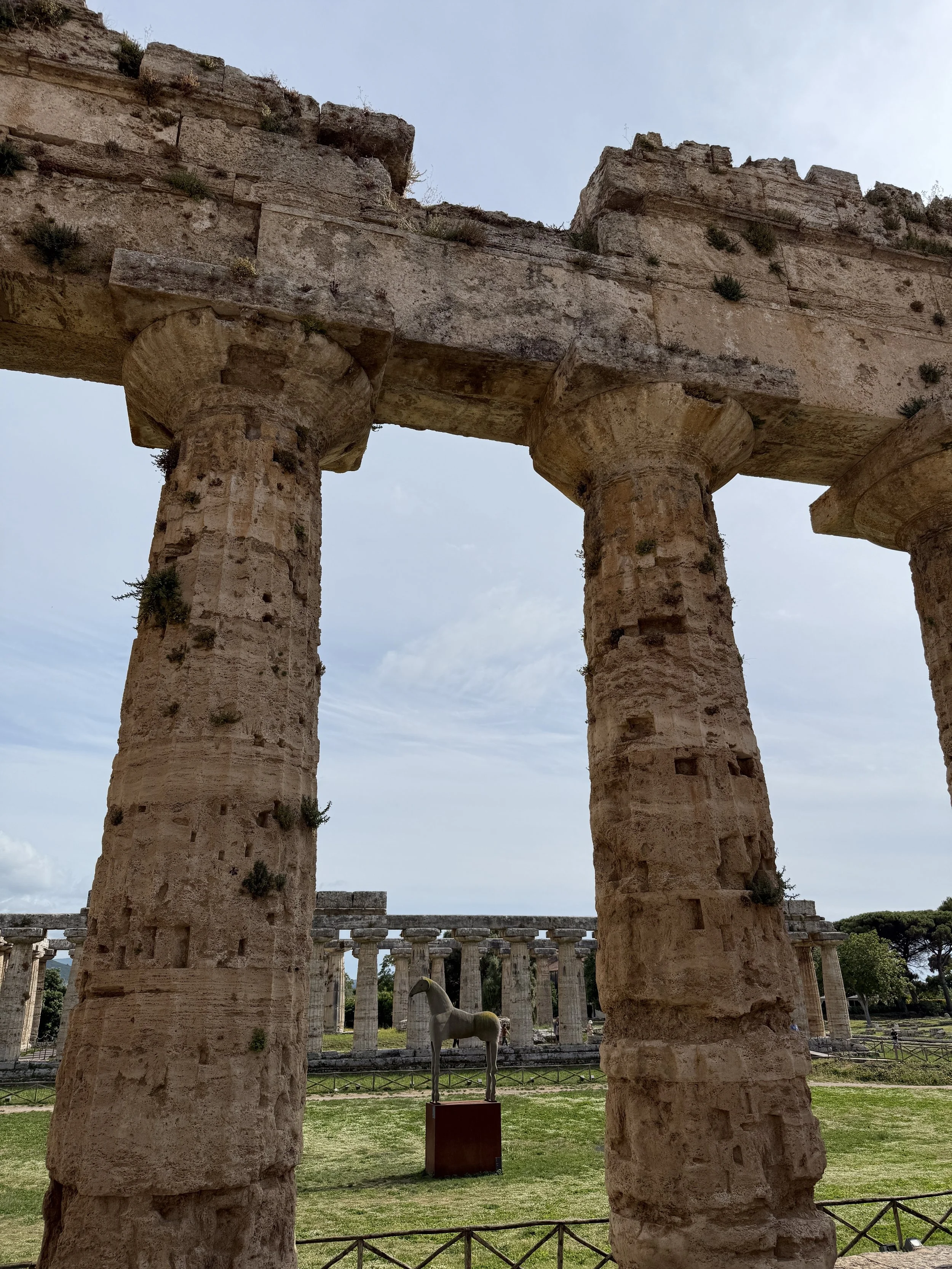
Paestum and Agropoli: 2,500 years of good taste
Just north of our distillery stand the temples of Paestum, three Doric giants built by Greek colonists between roughly 550 and 450 BC. They're among the best-preserved Greek temples anywhere, a UNESCO World Heritage site you can still walk inside. The Greeks once built them near the shore; the sea has since pulled back about three kilometers, leaving them standing in open farmland.
That detail matters to us. The Greeks came here for the same reason farmers still do: fertile soil, sun, and sea air. The vines, olives, and herbs they planted set the agricultural rhythm Cilento still keeps.
Agropoli itself sits on a promontory above a working harbor, crowned by the Aragonese castle, which reopened to visitors in 2025 after a long restoration. Climb the old stone steps to the medieval town, then come back down at sunset for an aperitivo by the port. It's an amaro town in the truest sense: long dinners, slow evenings, and something bittersweet to close the night.
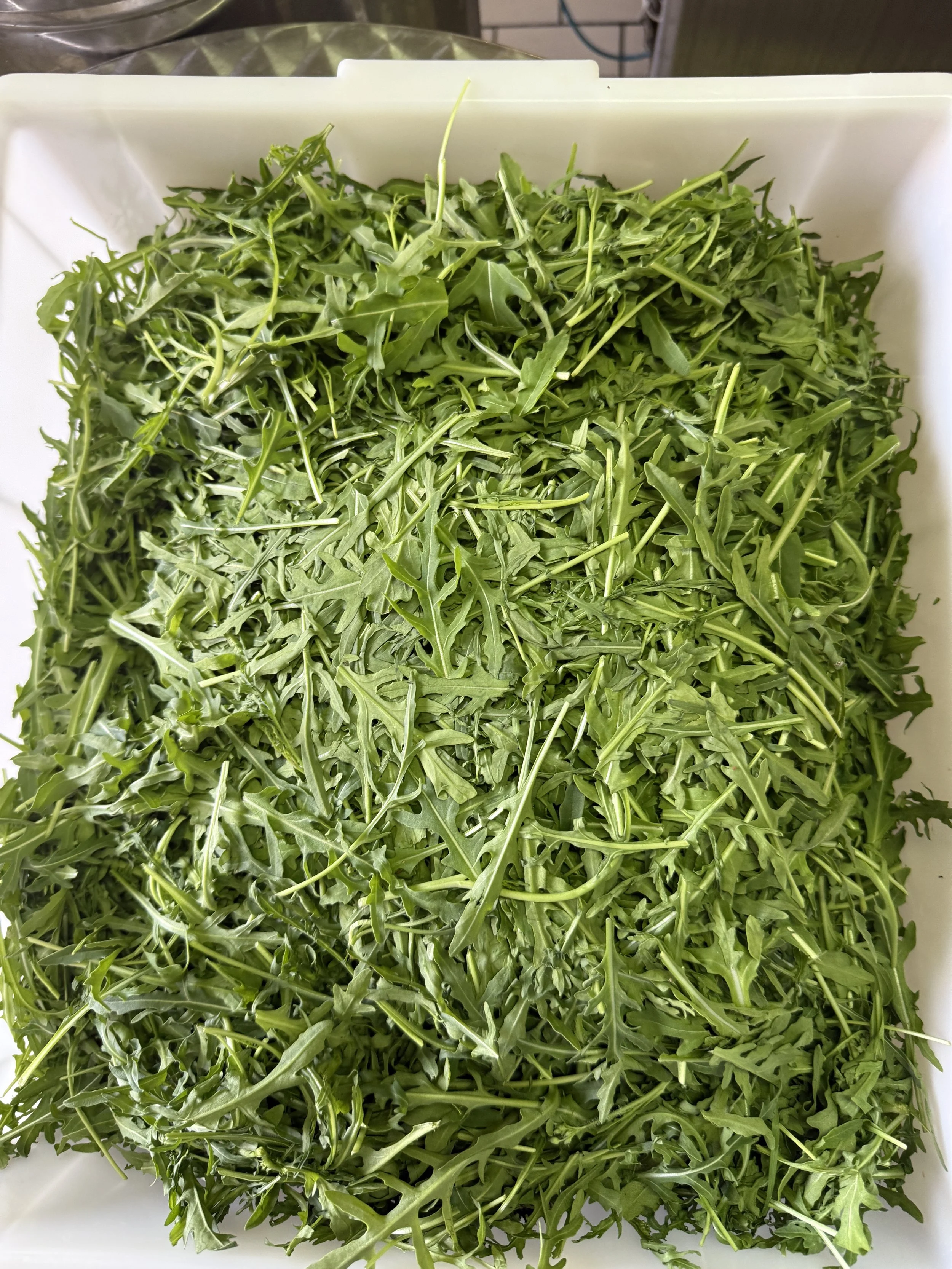
Battipaglia and the Piana del Sele: Italy's arugula country
If you've eaten arugula in Italy, there's a good chance it came from the Piana del Sele, the broad, fertile plain around Battipaglia, Eboli, and Capaccio-Paestum. Researchers estimate this one plain produces close to 90% of the rucola Italians eat. In 2020 the EU granted it protected status as Rucola della Piana del Sele PGI, under the same EU origin-protection system that guards Parmigiano Reggiano and Prosciutto di Parma.
Locals call it the area's "green gold." The combination of alluvial soil, river water from the Sele, and long Mediterranean growing seasons gives the leaves the bright, peppery bite the plain is known for.
That's why arugula leads our recipe. In See the Elephant, that peppery green shows up as a light, spicy bitterness under notes of caramel, bubblegum, cola, and dark chocolate. It's what makes the amaro approachable on the first sip and interesting on the tenth.
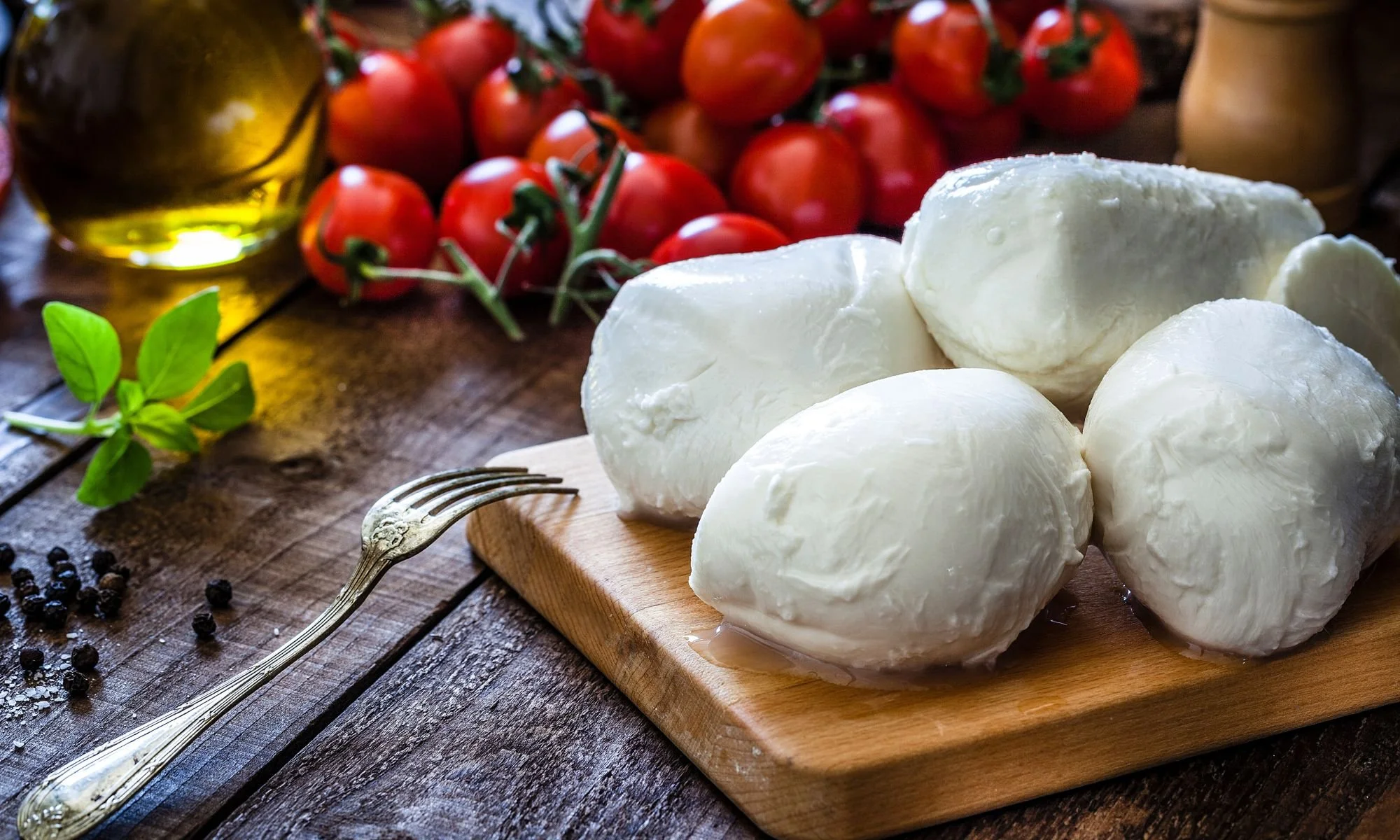
Buffalo mozzarella and white figs
The same plain that grows the arugula is home to herds of Mediterranean water buffalo, and their milk makes the real thing: Mozzarella di Bufala Campana. If you've only had cow's-milk mozzarella, the buffalo version is a revelation, tangier, earthier, and richer, best eaten within hours of being made. The farms around Paestum and Battipaglia are its heartland.
You can visit. Tenuta Vannulo near Paestum is a full working buffalo estate with tastings, a bakery, and tours where you meet the herd. Azienda Agricola San Salvatore pairs its buffalo dairy with a winery and restaurant. Il Granato turns the same milk into gelato, yogurt, and fresh ricotta.
Then there are the figs. Cilento's white fig, the Fico Bianco del Cilento DOP, grows only in this microclimate and is often peeled and sun-dried by hand into soft, honeyed bites. Santomiele, up in the hills, is the place to taste them, especially during the August–September harvest.
How we'd pair it: a plate of fresh bufala, a few dried white figs, and a small pour of See the Elephant on the rocks. The amaro's caramel and cola play off the fig's honey; the peppery finish cuts the richness of the cheese.
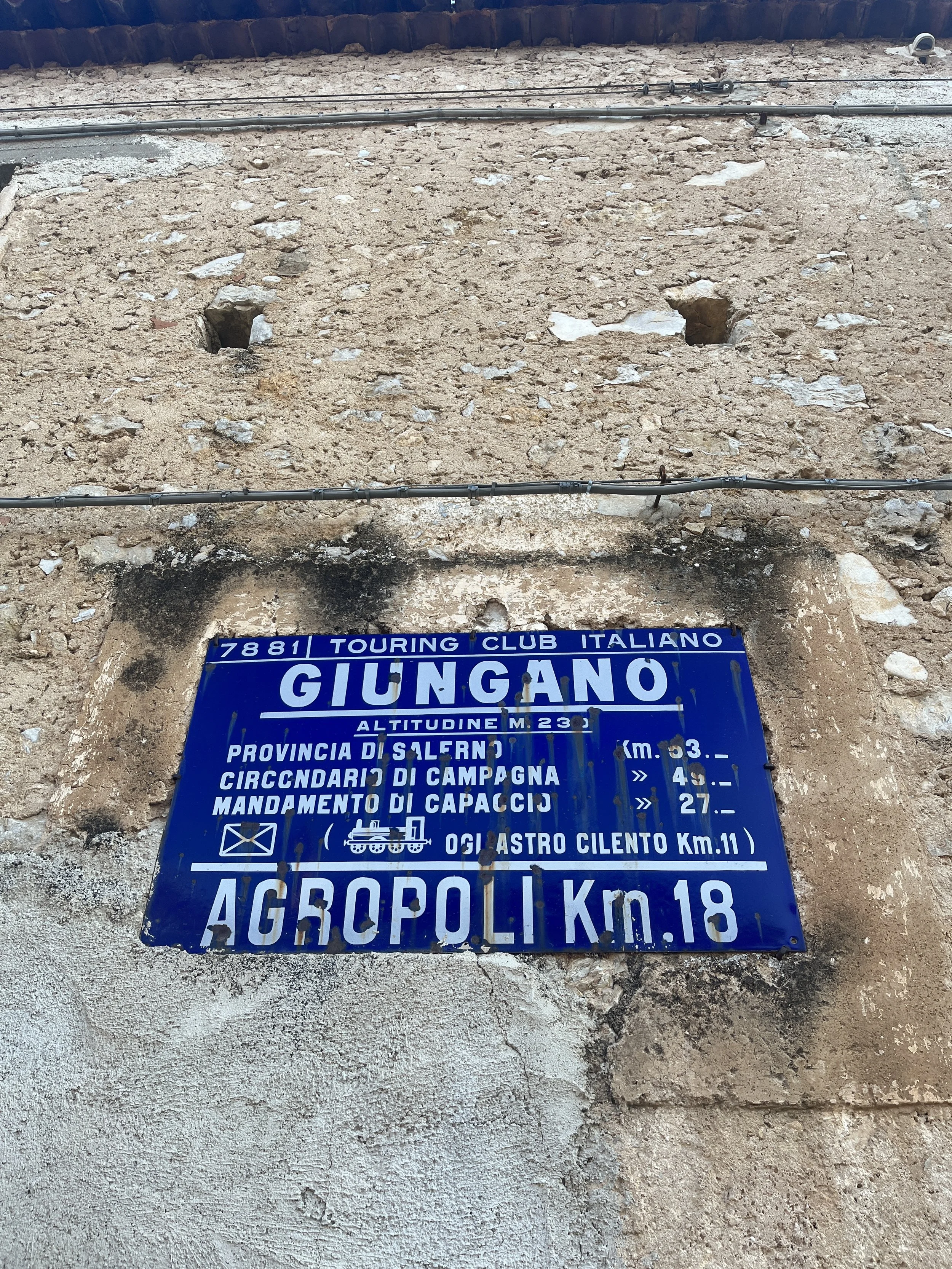
Where the Mediterranean diet was born
The "Mediterranean diet" has a hometown, and it's an hour down the coast from us. American physiologist Ancel Keys first came to the Salerno area with U.S. forces in 1944, noticed how long people in southern Italy lived, and later settled in the fishing village of Pioppi, in Cilento. He spent decades there studying what locals ate: olive oil, legumes, vegetables, fish, bread, a little cheese and wine, very little meat.
Keys lived to 100, and his work put Cilento's kitchen on the world map. In 2010, UNESCO added the Mediterranean diet to its list of the Intangible Cultural Heritage of Humanity, with Pollica (the town Pioppi belongs to) as Italy's representative community. Today Pioppi has a small museum dedicated to the diet and to Keys.
What Keys documented was never just a list of foods. It's a way of eating: slowly, seasonally, together, and with a digestivo at the end of the meal. Amaro has always been part of that table.

Go see it for yourself
To "see the elephant" means to experience something firsthand rather than take someone's word for it. Cilento is exactly that kind of place. A few ways to start:
Eat at an agriturismo. Try La Casareccia near Paestum or Colle del Cilento above Agropoli, and order the hand-rolled fusilli di Felitto.
Walk the temples at Paestum. Go early, bring water and good shoes, and budget a few hours.
Tour a buffalo farm. Tenuta Vannulo or San Salvatore, then mozzarella for lunch.
Swim where the locals swim. Baia di Trentova in Agropoli, or the wilder beaches farther south at Santa Maria and Case del Conte.
End the night in Agropoli's harbor with an aperitivo, then a digestivo.
Can't make the trip this year? Bring a little Cilento home. Pour See the Elephant neat or over one large cube after dinner, or build a Black Manhattan: 2 oz rye, 1 oz See the Elephant, 2 dashes Angostura, stirred and served with an orange twist. Set out some fresh mozzarella and dried figs, and you're halfway to the Gulf of Salerno.
Find a bottle near you because you won’t know until you go!